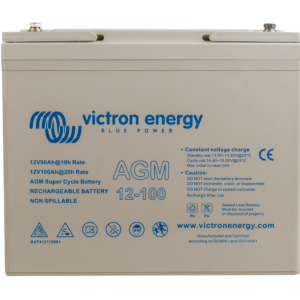
Practical_innovations_and_batterybet_deliver_enhanced_energy_storage_capabilitie
- Practical innovations and batterybet deliver enhanced energy storage capabilities
- Advancements in Battery Cell Chemistry
- The Role of Electrolytes in Performance
- Battery Management Systems: The Brains of the Operation
- The Impact of Artificial Intelligence on BMS
- Thermal Management: Keeping Batteries Cool
- Phase Change Materials for Efficient Heat Dissipation
- Future Trends in Energy Storage
- The Role of Standardization and Scalability
Practical innovations and batterybet deliver enhanced energy storage capabilities
The pursuit of efficient and reliable energy storage is a defining challenge of the 21st century. From portable electronics to grid-scale solutions, the demand for better batteries is ever-increasing. Traditional battery technologies, while continually improving, often face limitations in energy density, charging speed, lifespan, and safety. Recent innovations are focusing on novel materials, cell designs, and battery management systems to overcome these hurdles. A particularly interesting area of development revolves around optimizing the interplay between materials science and sophisticated control algorithms, an approach pioneered by efforts surrounding concepts like batterybet. This isn't simply about building 'bigger' batteries; it's about building smarter ones.
The core of any effective energy storage solution lies in its ability to efficiently store and release energy with minimal loss. This involves complex electrochemical processes that are heavily influenced by the materials used and the way they are arranged within the battery cell. Researchers are exploring a wide range of materials beyond the traditional lithium-ion chemistry, including solid-state electrolytes, sodium-ion batteries, and advanced redox flow batteries. These alternatives offer the potential for increased safety, improved performance under extreme conditions, and reduced reliance on scarce materials. The integration of intelligent algorithms to control charging and discharging cycles, and to predict battery health, is becoming increasingly crucial for maximizing the performance and longevity of these new battery technologies.
Advancements in Battery Cell Chemistry
The landscape of battery chemistry is rapidly evolving, with a significant shift towards exploring alternatives to conventional lithium-ion technology. While lithium-ion batteries remain dominant in many applications, their limitations, such as reliance on cobalt and concerns around thermal runaway, are driving the search for alternative materials. Sodium-ion batteries, for instance, utilize sodium, a far more abundant element than lithium, potentially reducing cost and supply chain vulnerabilities. However, sodium-ion batteries typically have lower energy density than their lithium-ion counterparts, meaning they store less energy for a given size and weight. Research is focused on enhancing the energy density of sodium-ion batteries through innovative electrode materials and electrolyte formulations. Magnesium-ion batteries are another promising avenue, offering the potential for higher volumetric energy density and improved safety due to the inherent non-flammability of magnesium. The development of solid-state electrolytes, replacing the flammable liquid electrolytes used in most current batteries, is another pivotal area. Solid-state batteries promise enhanced safety, higher energy density, and potentially faster charging times.
The Role of Electrolytes in Performance
Electrolytes play a critical role in battery performance, acting as the medium for ion transport between the electrodes. The choice of electrolyte significantly impacts the battery's voltage window, conductivity, and stability. Liquid electrolytes, commonly used in lithium-ion batteries, offer high ionic conductivity but pose safety risks due to their flammability. Solid-state electrolytes, in contrast, offer improved safety and potentially higher energy density, but often suffer from lower ionic conductivity, particularly at room temperature. Research efforts are concentrated on developing novel solid-state electrolytes with enhanced ionic conductivity, such as ceramic electrolytes and polymer electrolytes. Furthermore, exploring new electrolyte additives to improve the stability and performance of both liquid and solid-state electrolytes is crucial. The ability to tailor the electrolyte to specific battery chemistries and operating conditions is paramount for unlocking the full potential of next-generation battery technologies.
| Lithium-ion | 150-250 | Moderate | Moderate | Commercially Available |
| Sodium-ion | 90-140 | High | Low | Early Stage Development |
| Magnesium-ion | Potentially >200 | Very High | Moderate | Research & Development |
| Solid-State | Potentially >300 | Very High | High | Research & Development |
The table above provides a comparative overview of several battery chemistries, highlighting their respective strengths and weaknesses. As research continues, these values are expected to evolve, potentially shifting the landscape of energy storage technologies.
Battery Management Systems: The Brains of the Operation
A battery management system (BMS) is an electronic system that manages and monitors a battery pack, protecting it from damage and ensuring optimal performance. A sophisticated BMS is vital for extracting maximum life and utility from any battery, particularly those employing new chemistries. It performs a range of critical functions, including cell balancing, voltage monitoring, temperature monitoring, and charge/discharge control. Cell balancing is essential for ensuring that all cells in a battery pack have the same state of charge, preventing overcharging or undercharging of individual cells. Voltage and temperature monitoring provide crucial data for preventing thermal runaway and ensuring the battery operates within safe limits. Advanced BMS algorithms can also predict battery state of health (SOH) and remaining useful life (RUL), allowing for proactive maintenance and preventing unexpected failures. Without a robust BMS, the advantages offered by advanced battery chemistry can be easily undermined.
The Impact of Artificial Intelligence on BMS
The integration of artificial intelligence (AI) and machine learning (ML) into BMS is revolutionizing battery management. AI-powered BMS can learn from historical data and adapt to changing operating conditions, optimizing charging and discharging strategies for improved performance and lifespan. ML algorithms can accurately predict battery SOH and RUL, enabling proactive maintenance scheduling and reducing the risk of unexpected failures. Furthermore, AI can be used to detect anomalies and diagnose potential problems in real-time, enhancing battery safety and reliability. These intelligent BMS are particularly valuable in applications such as electric vehicles and grid-scale energy storage, where maximizing battery life and minimizing downtime are critical. The use of AI allows for predictive maintenance as opposed to reactive repairs, saving time and money.
- Predictive Maintenance: AI can forecast potential failures.
- Optimized Charging: Algorithms tailor charging to extend battery life.
- Enhanced Safety: Real-time anomaly detection prevents accidents.
- Increased Efficiency: BMS adapts to usage patterns for optimal performance.
The list above highlights some of the key benefits of incorporating AI into battery management systems. The development of these ‘smart’ batteries is a major trend in the energy storage sector.
Thermal Management: Keeping Batteries Cool
Maintaining the optimal operating temperature is crucial for battery performance, safety, and longevity. Batteries generate heat during charging and discharging, and excessive temperatures can lead to accelerated degradation and even thermal runaway, a dangerous self-heating process that can result in fire or explosion. Effective thermal management systems are therefore essential for regulating battery temperature and preventing these issues. Thermal management techniques include passive cooling methods, such as heat sinks and air convection, and active cooling methods, such as liquid cooling and forced air cooling. Liquid cooling, while more complex and expensive, provides more effective heat removal and is often used in high-power applications such as electric vehicles. The choice of thermal management system depends on the battery's size, power density, and operating environment. Innovations in materials science are leading to the development of more efficient and lightweight thermal management materials.
Phase Change Materials for Efficient Heat Dissipation
Phase change materials (PCMs) are substances that absorb or release heat during a phase transition, such as from solid to liquid or liquid to gas. PCMs can be incorporated into battery thermal management systems to absorb excess heat during charging and discharging, helping to maintain the battery at its optimal operating temperature. They offer a passive and energy-efficient way to regulate temperature, requiring no external power input. Different PCMs have different melting points, allowing them to be tailored to specific battery operating temperature ranges. Research is focused on developing PCMs with high thermal conductivity, high latent heat of fusion, and good chemical stability. Utilizing PCMs in conjunction with active cooling systems can further enhance thermal management performance.
- Identify optimal PCM based on battery operating temp.
- Incorporate PCM into battery module design.
- Test thermal performance under various conditions.
- Optimize PCM placement for uniform heat distribution.
The steps above outline a common approach to integrating PCMs into battery thermal management systems. This technology offers a sustainable approach to maintaining optimal battery conditions.
Future Trends in Energy Storage
The field of energy storage is constantly evolving, with new technologies and innovations emerging at a rapid pace. One exciting area of development is the exploration of all-solid-state batteries, which promise higher energy density, improved safety, and longer lifespan compared to traditional lithium-ion batteries. Another promising trend is the development of redox flow batteries, which offer scalable energy storage capacity and long cycle life. These batteries store energy in liquid electrolytes that are pumped through a cell stack, allowing for independent scaling of energy and power. Researchers are also investigating new materials and cell designs to improve the performance of existing battery technologies, such as lithium-ion batteries. Furthermore, the integration of energy storage with renewable energy sources, such as solar and wind power, is becoming increasingly important for creating a more sustainable energy system. The coming years will likely witness a proliferation of specialized batteries tailored for specific applications, from high-power density batteries for electric vehicles to long-duration batteries for grid-scale energy storage.
The Role of Standardization and Scalability
As advanced battery technologies mature, standardization and scalability become critical for widespread adoption. Establishing common standards for battery cell formats, communication protocols, and safety regulations will facilitate interoperability and reduce costs. Scalable manufacturing processes are also essential for meeting the growing demand for energy storage solutions. This requires investments in advanced manufacturing equipment and techniques, as well as streamlined supply chains. Collaboration between industry, academia, and government is crucial for driving standardization and scalability efforts. The development of a robust and resilient battery supply chain will be vital for ensuring a secure and sustainable energy future. The availability of materials and the ethical sourcing of those materials also need to be considered in order to create an affordable and environmentally sound battery ecosystem. The success of initiatives like batterybet hinges on these broad systemic improvements.